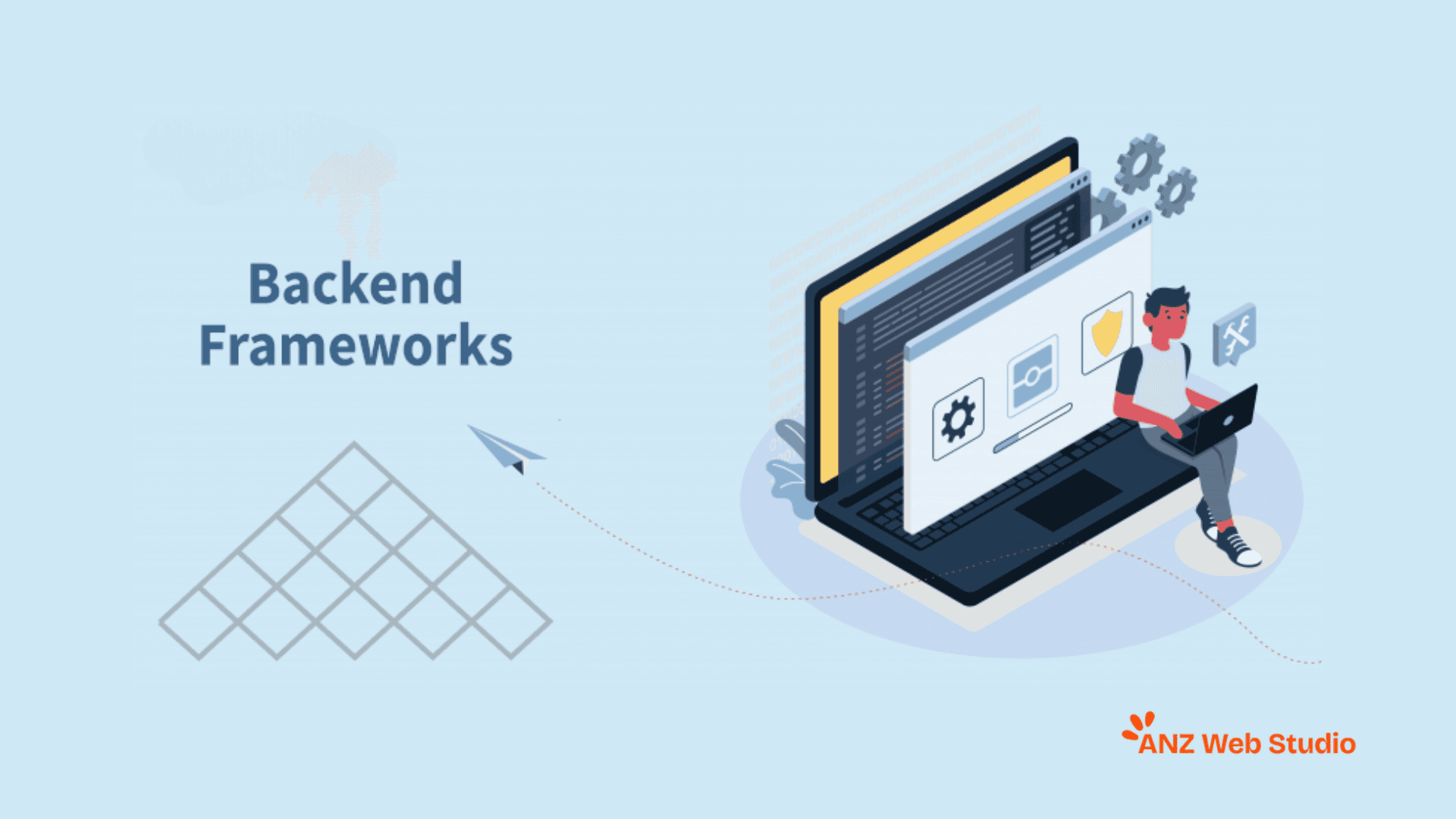
Backend frameworks are the backbone of modern web applications, powering everything from APIs to server-side logic. In 2025, developers have access to a wide range of frameworks that streamline development, improve scalability, and enhance performance. This guide explores the top 10 backend frameworks, highlighting their strengths, use cases, and why they’re essential for building robust applications.
Backend frameworks simplify server-side development by providing:
• **Structured Development**: Prebuilt tools for routing, database integration, and authentication
• **Scalability**: Support for high-traffic applications
• **Security**: Built-in features to protect against common vulnerabilities
• **Efficiency**: Faster development with reusable components and libraries
Whether you're building a RESTful API or a real-time app, these frameworks can accelerate your workflow. Here are the top 10 backend frameworks for 2025.
**Overview**: Express.js is a minimalist, fast, and flexible Node.js framework, widely used for building APIs and web applications.
**Key Features**:
• Middleware support for custom logic
• Robust routing system
• Integration with databases like MongoDB and PostgreSQL
**Use Case**: RESTful APIs, microservices, and full-stack JavaScript apps.
**Pro Tip**: Pair with **Prisma** or **Mongoose** for seamless database interactions.
**Overview**: Django is a high-level Python framework known for its "batteries-included" philosophy, offering tools for rapid development.
**Key Features**:
• Built-in ORM for database management
• Admin panel for quick prototyping
• Strong security features (e.g., CSRF protection)
**Use Case**: Rapid development of secure web apps, CMS, and e-commerce platforms.
**Overview**: Spring Boot simplifies Java-based backend development with auto-configuration and a rich ecosystem for enterprise applications.
**Key Features**:
• Embedded server support (e.g., Tomcat)
• Spring Data for database integration
• Extensive security and microservices support
**Use Case**: Enterprise-grade applications, microservices, and cloud-native systems.
**Pro Tip**: Use Spring Initializr to quickly set up projects.
**Overview**: Ruby on Rails follows the "convention over configuration" principle, enabling fast development of web applications.
**Key Features**:
• Active Record for database operations
• Scaffolding for rapid prototyping
• Large gem ecosystem for plugins
**Use Case**: Startups, MVPs, and content-driven platforms.
**Overview**: Laravel is a modern PHP framework with an elegant syntax, designed for building scalable and maintainable applications.
**Key Features**:
• Eloquent ORM for database queries
• Blade templating for dynamic views
• Built-in authentication and caching
**Use Case**: E-commerce sites, CMS, and custom web apps.
**Pro Tip**: Leverage Laravel’s Artisan CLI for efficient task automation.
**Overview**: FastAPI is a high-performance Python framework optimized for building asynchronous APIs with modern Python features.
**Key Features**:
• Async/await support for high concurrency
• Automatic OpenAPI documentation
• Type hints for better code reliability
**Use Case**: High-performance APIs, real-time applications, and data-driven services.
**Overview**: NestJS is a progressive Node.js framework that combines TypeScript, MVC, and modular architecture for scalable applications.
**Key Features**:
• TypeScript support out of the box
• Modular structure for clean code
• Integration with GraphQL and WebSockets
**Use Case**: Enterprise APIs, microservices, and real-time apps.
**Overview**: Microsoft’s ASP.NET Core is a cross-platform framework for building high-performance, cloud-ready applications.
**Key Features**:
• Cross-platform support (Windows, macOS, Linux)
• Built-in dependency injection
• High performance for large-scale apps
**Use Case**: Enterprise applications, cloud-native services, and IoT solutions.
**Pro Tip**: Use Entity Framework Core for efficient database management.
**Overview**: Flask is a lightweight Python micro-framework, ideal for small projects or developers who prefer flexibility over conventions.
**Key Features**:
• Minimalist design with no default ORM
• Easy to extend with plugins
• Simple routing and templating
**Use Case**: Small APIs, prototypes, and lightweight web apps.
**Overview**: Phoenix is a high-performance framework built on Elixir, designed for real-time applications and scalability.
**Key Features**:
• Channels for real-time communication
• Ecto for database interactions
• High concurrency with Elixir’s actor model
**Use Case**: Real-time apps, chat platforms, and scalable web services.
**Pro Tip**: Use Phoenix LiveView for interactive, real-time UIs without heavy JavaScript.
• **Language Preference**: Choose Django or FastAPI for Python, Express.js or NestJS for JavaScript.
• **Project Scale**: Flask for small projects, Spring Boot or ASP.NET Core for enterprise apps.
• **Performance Needs**: FastAPI or Phoenix for high concurrency, Laravel for rapid development.
• **Ecosystem**: Django and Laravel offer extensive built-in tools, while Flask and Express.js are more flexible.
• **Overcomplicating Architecture**: Avoid heavy frameworks like Spring Boot for simple APIs.
• **Neglecting Security**: Ensure frameworks have built-in protections (e.g., Django’s CSRF, Laravel’s authentication).
• **Ignoring Scalability**: Choose frameworks like Phoenix or NestJS for high-traffic apps.
• **Skipping Testing**: Use built-in testing tools (e.g., Django’s test suite, Jest for NestJS).
• **Learning Platforms**: **MDN Web Docs**, **freeCodeCamp**, **X communities**
• **Database Tools**: **Prisma**, **Mongoose**, **Ecto**
• **Testing**: **Jest**, **Pytest**, **Mocha**
• **Deployment**: **Vercel**, **Heroku**, **AWS**
Backend frameworks like Express.js, Django, and FastAPI are powering the server-side of modern applications in 2025. By selecting the right framework for your project, you can build secure, scalable, and efficient systems. Start with a framework that matches your language expertise and project needs, and explore their documentation for a smooth development experience.
---
**AI Disclosure**: This blog post was created with the assistance of artificial intelligence to ensure accuracy, clarity, and SEO optimization. The content has been carefully reviewed and edited by a human to align with best practices and provide maximum value to readers.
Tags:

2025-08-06
FastAPI is a game-changer for async APIs. Thanks for the great list!

2025-08-06
Didn’t know about Phoenix before—definitely exploring it for my next project!